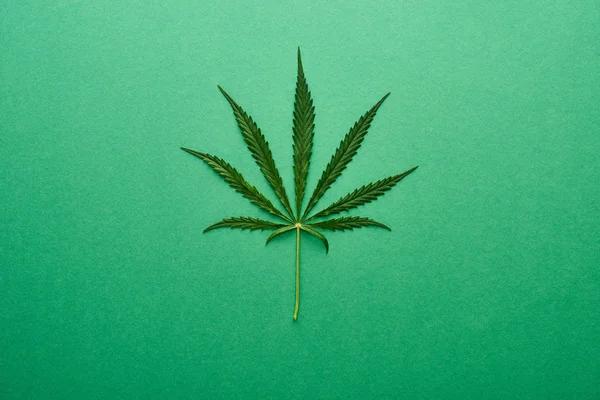
Delta-8 THC has emerged as a topic of interest for many consumers curious about its properties and effects. As this compound gains popularity, several important questions arise concerning its legality, safety, and potential benefits. Understanding Delta-8 THC requires a closer look at what it is and how it differs from the more commonly known Delta-9 THC.
Delta-8 THC is a cannabinoid found in cannabis plants, but unlike Delta-9 THC, which is the primary psychoactive component of marijuana, Delta-8 occurs in much smaller concentrations. It is often synthesized from CBD derived from hemp due to its low natural abundance. This synthesis process raises questions about the purity and quality of the final product. Consumers should be aware that not all products are created equal; therefore, it’s crucial to purchase Delta 8 Website from reputable sources that provide third-party lab testing results.
One of the most pressing questions surrounding Delta-8 THC involves its legal status. The 2018 Farm Bill legalized hemp-derived products containing less than 0.3% Delta-9 THC on a federal level in the United States. Since Delta-8 can be derived from hemp, some interpret this as making it federally legal; however, state laws vary widely. Some states have explicitly banned or restricted Delta-8 products due to concerns over their psychoactive effects and lack of regulation.
Safety is another significant concern for consumers interested in trying Delta-8 THC. While there is limited research available compared to other cannabinoids like CBD or even Delta-9 THC, anecdotal evidence suggests that users experience milder psychoactive effects with reduced anxiety and paranoia compared to traditional marijuana use. However, because comprehensive studies are lacking, potential risks or long-term effects remain largely unknown.
Consumers also wonder about the potential benefits of using Delta-8 THC. Preliminary research indicates possible therapeutic applications such as pain relief, appetite stimulation, and anti-nausea effects similar to those associated with medical marijuana but without intense intoxication levels. Nonetheless, these findings are still emerging and require further scientific validation before any definitive claims can be made.
As curiosity around this cannabinoid continues to grow among consumers seeking alternative wellness options or new experiences within legal boundaries where applicable—education remains key when navigating choices related to purchasing or consuming any form involving cannabis derivatives like delta eight-tetrahydrocannabinol (Δ⁸THC). By staying informed through credible resources alongside consulting healthcare professionals if necessary—individuals may better understand how best they might incorporate such compounds into their lifestyle safely while considering both personal needs/preferences along regulatory environments governing usage within respective jurisdictions today’s ever-evolving landscape surrounding cannabinoid-based innovations worldwide!