Choosing the right solution for your property’s attic insulation is a critical step toward enhancing energy efficiency, reducing utility costs, and improving indoor comfort. The attic is a primary area where heat loss occurs in the winter and heat gain happens during the summer, making proper insulation essential. However, selecting the most suitable insulation depends on several factors including the type of property, climate, budget, and existing attic conditions.
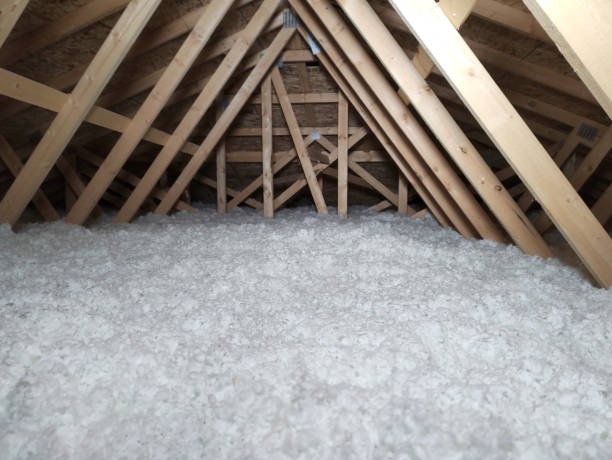
One of the first considerations is the type of insulation material. Common options include fiberglass batts, blown-in cellulose, spray foam, and rigid foam boards. Fiberglass batts are one of the most popular materials due to their affordability and ease of installation. They fit well between joists and framing but may leave gaps if not installed properly, reducing their effectiveness. Blown-in cellulose is made from recycled paper treated for fire resistance and provides excellent coverage by filling nooks and crannies, which is ideal for irregular attic spaces.
Spray foam insulation offers superior air sealing and high R-values per inch, making it an excellent choice for homeowners looking for maximum energy savings. It expands to fill gaps and cracks, preventing air leaks and moisture explore our site buildup. However, spray foam is generally more expensive and requires professional installation. Rigid foam boards are durable and moisture-resistant, often used in conjunction with other insulation types to add thermal resistance in specific areas like attic hatches or kneewalls.
Understanding the climate where your property is located significantly influences the insulation choice. In colder regions, higher R-values are necessary to keep heat inside during winter, while in warmer climates, insulation should focus on keeping the attic cool and preventing heat transfer into living spaces. Additionally, proper ventilation must be considered alongside insulation to prevent moisture issues and maintain indoor air quality.
Budget constraints often play a role in decision-making. While some insulation types have a higher upfront cost, they may offer better long-term savings through energy efficiency. It’s important to evaluate the payback period and potential energy cost reductions when choosing the right insulation. Consulting with a professional insulation contractor can provide valuable insights tailored to your specific attic and property needs.
Finally, assessing the current condition of your attic before installation is essential. Look for existing moisture problems, pest damage, or structural issues that need addressing to ensure the longevity and effectiveness of the new insulation. Proper preparation combined with the right insulation solution will help maximize your property’s energy performance and comfort for years to come.