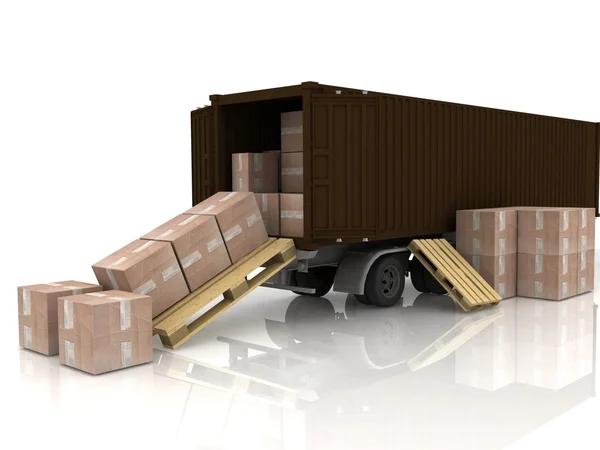
Reducing pallet shipping costs is essential for businesses aiming to improve their bottom line while maintaining efficient logistics. One of the most effective ways to lower these expenses is by optimizing the packaging and pallet configuration. Ensuring that goods are packed tightly and securely on pallets minimizes wasted space, which can lead to lower dimensional weight charges from carriers. Using standardized pallet sizes also helps in maximizing truck space utilization, as carriers often have set rates based on common pallet dimensions.
Another important factor is selecting the right carrier and shipping method. Comparing multiple freight companies allows shippers to find competitive rates tailored to their specific needs. Some carriers specialize in certain routes or cargo types, offering better pricing or faster transit times. Choosing between less-than-truckload (LTL) and full truckload (FTL) shipments depending on volume can significantly impact costs; consolidating shipments into FTL loads when possible usually results in lower per-unit expenses.
Negotiating contracts with freight providers can yield substantial savings over time. Establishing long-term relationships enables businesses to secure discounted rates or added services such as priority handling without extra fees. It’s worthwhile for companies regularly shipping pallets to review contract terms annually and renegotiate based on shipment volume trends or market changes.
Careful attention should be given to accurately measuring weight and dimensions before booking a shipment since inaccurate information may result in unexpected fees during transit. Investing in quality scales and measurement tools ensures that declared weights reflect actual values, preventing costly reweighs or adjustments by carriers.
Proper labeling of pallets also contributes to cost reduction by minimizing delays caused by misrouted shipments or additional handling requirements imposed due to unclear documentation. Clear labels with essential details like destination address, contact information, and package contents help streamline processing at distribution centers.
Utilizing technology such as transportation management systems (TMS) offers greater visibility into shipping operations while identifying inefficiencies within supply chains that drive up costs unnecessarily. These platforms assist in route optimization, load planning, carrier selection, and real-time tracking-all critical components for controlling expenses related to pallet freight.
Lastly, adopting sustainable practices like reusable pallets not only reduces environmental impact but can decrease overall material costs associated with single-use wooden pallets prone to damage during transport. By implementing these strategies thoughtfully, businesses can effectively manage their Pallet Shipping in Canada expenditures without compromising service quality or delivery timelines.