Transforming your living room into a cinematic experience is now more achievable than ever, thanks to advancements in home theater installation with smart automation features. This modern approach not only enhances the entertainment value of your home but also simplifies operation and elevates user experience.
The cornerstone of any impressive home theater setup is the visual display. Today’s options range from ultra-high-definition 4K TVs to expansive projectors that offer lifelike clarity and color accuracy. However, the magic truly begins when these devices are integrated with smart automation systems. Imagine dimming the lights, lowering the blinds, and powering up your projector all with a single voice command or tap on your smartphone—this seamless integration is what sets modern installations apart.
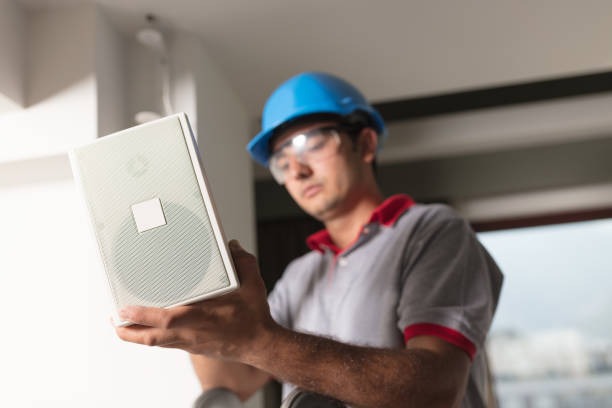
Audio quality is equally crucial in creating an immersive environment. Smart sound systems can be configured to deliver surround sound that adapts to different types of content automatically, whether you’re watching an action-packed movie or listening to a classical symphony concert. Speakers can be strategically placed around the room for optimal acoustics while remaining discreetly hidden within walls or ceilings.
One of the most appealing aspects of smart automation is its ability to unify various components into one cohesive system controlled by centralized software platforms uncover more like Google Home, Amazon Alexa, or Apple HomeKit. These platforms allow users to create customized scenes tailored to their preferences; for instance, you could program a “Movie Night” scene that adjusts lighting, temperature, and even starts popping popcorn if connected appliances are part of your network.
Installation has become increasingly user-friendly as well. Professional services often include assessments where experts evaluate room dimensions and acoustics before recommending equipment tailored specifically for your space’s needs. They ensure wiring remains concealed for aesthetic purposes while optimizing connectivity between devices through wireless solutions whenever possible.
Moreover, energy efficiency is another significant benefit provided by smart technology in home theaters today. Devices can be programmed to enter standby mode when not in use or adjust settings based on time-of-day routines—saving electricity without sacrificing performance.
Security concerns associated with interconnected devices have also been addressed through robust encryption protocols ensuring privacy protection at every level—from streaming services down to individual device connections within local networks.
In conclusion, integrating smart automation features into home theater installations offers unparalleled convenience combined with superior audiovisual quality—a combination that’s hard not only impresses guests but also enriches everyday life experiences at home significantly enhancing both leisure time enjoyment and property value alike.