Supporting body recovery through light activity is a valuable approach that enhances healing, reduces stiffness, and promotes overall well-being. After intense exercise, injury, or illness, the body requires time to repair damaged tissues and restore energy levels. Engaging in gentle movements rather than complete rest can facilitate this process by improving blood circulation and preventing muscle tightness. Light activity encourages the delivery of oxygen and nutrients to recovering muscles while helping to remove metabolic waste products that accumulate during exertion.
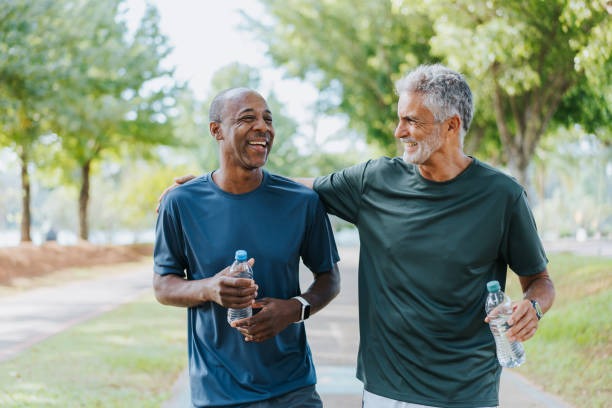
One effective way to incorporate light activity into recovery is through low-impact exercises such as walking or gentle cycling. These activities maintain cardiovascular function without placing excessive strain on muscles or joints. Walking at a comfortable pace stimulates circulation throughout the body and helps prevent stiffness commonly experienced after periods of inactivity. Similarly, slow cycling on a stationary bike can provide controlled movement that supports joint mobility and muscle flexibility without overexertion.
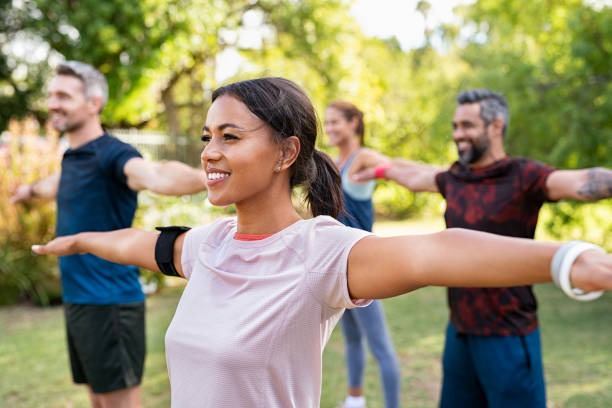
Stretching also plays an important role in supporting recovery through light activity. Performing gentle stretches improves range of motion and reduces muscle tension accumulated from previous physical stress or immobilization. Stretching should be done carefully with attention to avoid pushing beyond comfort limits; it is intended to relax muscles rather than cause discomfort or pain. Incorporating stretching into daily routines helps maintain tissue elasticity and prepares the body best CBD for dogs Canada gradual return to more demanding activities.
Another beneficial aspect of light activity during recovery involves mindful breathing techniques combined with movement. Controlled breathing enhances relaxation responses within the nervous system, reducing stress hormones that may otherwise impede healing processes. Activities like yoga or tai chi exemplify this principle by integrating slow movements with deep breathing patterns, promoting both physical restoration and mental calmness.
It is essential to listen attentively to one’s own body signals when engaging in light recovery activities. Overdoing even mild exercises can delay healing if pain or fatigue worsens significantly afterward. Progression should be gradual; starting with short durations followed by longer sessions as tolerance builds ensures safe advancement toward full functional capacity.
Hydration and nutrition complement physical efforts by supplying necessary resources for cellular repair during recovery phases supported by light activity routines. Maintaining adequate fluid intake prevents dehydration-related complications while balanced meals rich in protein, vitamins, and minerals supply building blocks essential for tissue regeneration.
In summary, incorporating appropriately paced light activities such as walking, stretching, mindful movement practices coupled with proper hydration and nutrition forms an effective strategy for supporting body recovery after exertion or injury. This approach fosters improved circulation, reduced stiffness, enhanced flexibility, mental relaxation, all contributing positively toward restoring optimal health without undue strain on recovering tissues.