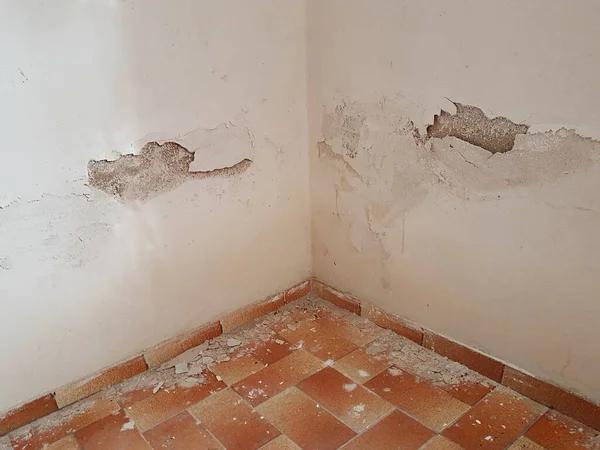
Effective residential water damage restoration begins with a proper assessment, which is the critical first step in addressing any water-related incident in a home. Water damage can arise from various sources such as burst pipes, leaking appliances, roof leaks, flooding, or sewage backups. Regardless of the cause, an accurate and thorough evaluation of the affected areas is essential to ensure that all moisture is identified and properly treated to prevent further damage or health risks.
The assessment process typically involves a detailed inspection of the property to identify the extent of water intrusion and the materials impacted. Professionals use specialized tools such as moisture meters, infrared cameras, and hygrometers to detect hidden moisture behind walls, under read the details floors, or within ceilings that may not be visible to the naked eye. This step is crucial because undetected moisture can lead to mold growth, structural weakening, and persistent odors, all of which can complicate the restoration process and increase the overall cost.
During the assessment, restoration experts also categorize the water based on contamination levels to determine the necessary safety precautions and cleaning methods. For example, clean water from a broken pipe requires a different approach compared to gray water from a dishwasher or black water contaminated by sewage. Understanding the water category helps in selecting the right restoration techniques and ensures the safety of both residents and workers.
Another important aspect of the assessment is evaluating the materials affected by water damage. Drywall, carpeting, insulation, and wooden structures absorb moisture differently and may require unique drying or removal procedures. For instance, porous materials such as drywall often need to be replaced if they are heavily saturated, while hardwood floors can sometimes be dried and restored if treated promptly. A proper assessment guides these decisions, minimizing unnecessary demolition and reducing restoration time and costs.
Moreover, a comprehensive assessment includes documenting the damage for insurance claims. Detailed reports with photographs and moisture readings support homeowners in filing claims and receiving appropriate compensation. Restoration companies often coordinate with insurance providers to streamline this process, ensuring transparency and efficiency.
In conclusion, effective residential water damage restoration cannot begin without a proper assessment. This foundational step ensures that all affected areas are accurately identified and treated, preventing long-term damage and health hazards. Homeowners facing water damage should prioritize contacting certified restoration professionals who utilize advanced assessment tools and techniques to deliver thorough and efficient restoration services. By starting with a precise evaluation, the restoration process becomes more effective, reducing recovery time and protecting the home’s structural integrity and the family’s well-being.