
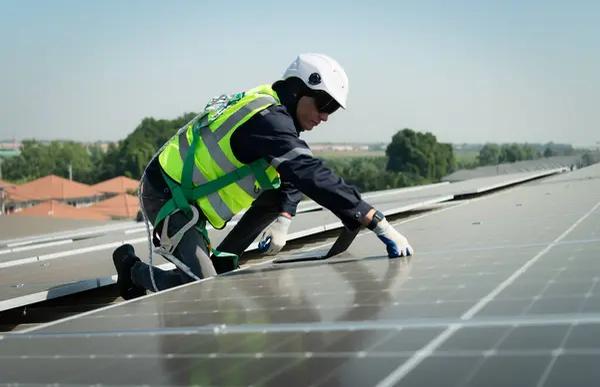
Grid-connected solar installations have become increasingly popular as a sustainable and cost-effective way to generate electricity. These systems are designed to work in tandem with the local utility grid, allowing homeowners and businesses to produce their own power while maintaining access to electricity from the grid when needed. Understanding the requirements for installing a grid-connected solar system is essential for ensuring safety, compliance, and optimal performance.
One of the primary considerations is obtaining necessary permits and approvals from local authorities and utility companies. Before installation begins, it is important to submit detailed plans that outline the system’s specifications, including panel capacity, inverter type, and connection points. Utilities often require an interconnection agreement that defines how the solar installation will interact with their network. This agreement typically addresses technical standards, metering arrangements, liability issues, and procedures for disconnecting or shutting down the system if required.
The equipment used in grid-connected solar setups must meet specific technical standards established by regulatory bodies. Solar panels should be certified for efficiency and durability under relevant conditions. Inverters play a crucial role since they convert direct current (DC) generated by panels into alternating current (AC) compatible with the grid. Grid-tie inverters must comply with anti-islanding protection requirements to find answers here ensure they shut off automatically during power outages; this prevents feeding electricity back into a de-energized grid line which could endanger utility workers.
Proper electrical wiring and grounding are fundamental aspects of installation safety. The system must include appropriate circuit breakers or fuses that protect against overloads or short circuits. Ground fault detection devices help identify any unintended currents flowing through grounding paths which can pose risks of electric shock or fire hazards.
Metering arrangements differ depending on regional policies but generally involve bi-directional meters capable of recording both energy consumption from the grid and surplus energy fed back by the solar system. This enables net metering programs where users receive credit or compensation for excess electricity produced.
Site assessment is another key step before installation proceeds. Factors such as roof orientation, shading from nearby structures or trees, available space for mounting panels, structural integrity of roofs or ground mounts all influence overall system design choices.
In summary, installing a grid-connected solar power system requires careful attention to regulatory compliance, equipment certification standards, safe electrical practices including proper inverter selection and wiring methods along with coordination with utilities on permitting processes plus metering setups tailored to support net metering benefits effectively while ensuring operational safety throughout its lifespan. Meeting these requirements not only facilitates smooth integration into existing infrastructure but also maximizes long-term reliability and financial return on investment in renewable energy technology.


