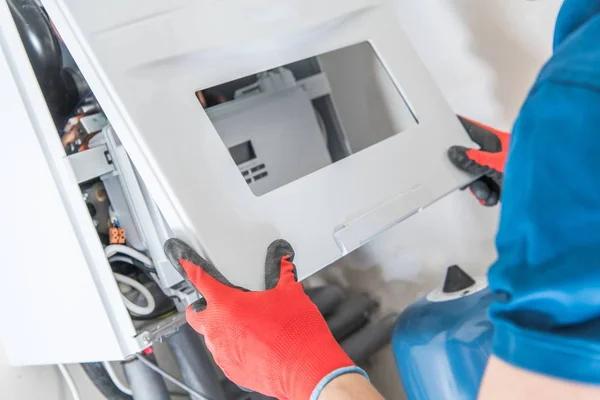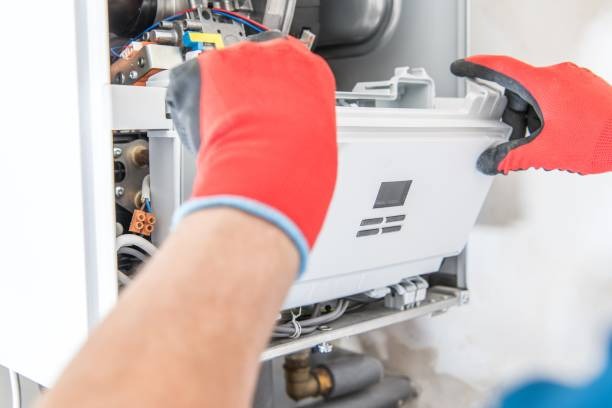
When it comes to heating solutions for Sacramento properties, homeowners often face the decision between furnaces and heat pumps. Understanding the differences, advantages, and disadvantages of each system is crucial to making an informed choice that best suits your home’s needs and climate. Sacramento’s mild winters and hot summers make this comparison especially relevant, as the right heating system can improve comfort while optimizing energy efficiency.
Furnaces are a traditional heating solution widely used in many homes. They operate by burning fuel—such as natural gas, propane, or oil—or by using electricity to generate heat. The heat is then distributed throughout the home via ductwork and vents. Furnaces are known for providing strong, consistent heat quickly, making them a reliable choice during colder months. However, their efficiency varies depending on the fuel type and the system’s age. High-efficiency furnaces can achieve Annual Fuel Utilization Efficiency (AFUE) ratings of 90% or more, which means less energy is wasted in the heating process.
Heat pumps, on the other hand, work differently by transferring heat rather than generating it. In heating mode, they extract warmth from outdoor air—even in cooler temperatures—and move it indoors. During the warmer months, heat pumps can reverse this process to provide cooling, making them a versatile, two-in-one solution. Because they move heat instead of producing it, heat pumps generally consume less energy and offer higher efficiency than traditional furnaces. In Sacramento’s climate, where temperatures rarely drop below freezing, heat pumps can be an excellent option for year-round comfort and energy savings.
One of the main considerations when comparing furnaces and heat pumps is the initial installation cost and ongoing operational expenses. Furnaces often have lower upfront costs, particularly if you already have compatible ductwork in place. However, operational costs can be higher due to fuel expenses and maintenance requirements. Heat pumps typically have higher installation costs, especially if ductwork or a compatible electrical system is needed, but their lower energy consumption can result in significant savings on utility bills over time.
Another factor to consider is environmental impact. Heat pumps use electricity efficiently and can be powered by renewable energy sources, reducing carbon emissions. Furnaces that rely on fossil fuels contribute more to greenhouse gas emissions, though high-efficiency models help mitigate this impact. For Sacramento residents prioritizing sustainability, heat pumps offer an eco-friendlier alternative.
Ultimately, the choice between a furnace and a heat pump depends on your specific property, budget, and comfort preferences. For more detailed information and personalized advice on heating solutions for Sacramento properties, read more about our solutions. Our experts can help you compare options, assess your home’s needs, and select the most efficient and cost-effective system to keep you comfortable year-round.