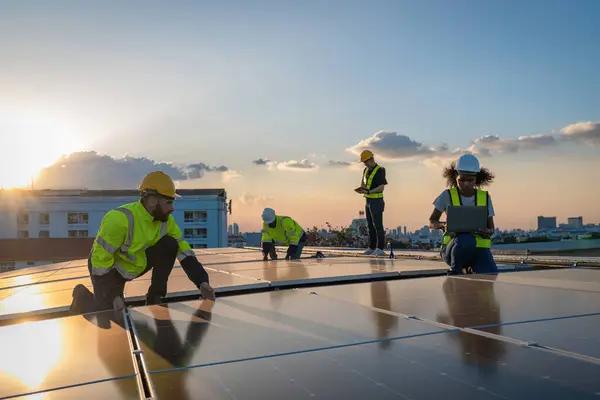
Solar panels have become an increasingly important solution for providing electricity to rural and remote areas where traditional power grids are often unavailable or unreliable. These regions frequently face challenges such as limited infrastructure, high costs of extending conventional electrical networks, and geographical barriers that make connection to centralized power systems difficult. Solar energy offers a sustainable and cost-effective alternative by harnessing the abundant sunlight available in many remote locations. Installing solar panels allows communities to generate their own electricity independently, improving access to lighting, communication devices, refrigeration for medicines and food preservation, and other essential services.
One of the main advantages of solar panels in rural settings is their scalability. Systems can be designed according to specific energy needs, ranging from small setups powering individual homes or schools to larger installations serving entire villages. This flexibility ensures that investments match local demand without unnecessary expenditure on oversized infrastructure. Additionally, solar technology has evolved significantly over recent years with improvements in efficiency and reductions in manufacturing costs. As a result, solar panels have become get more info affordable and accessible than ever before.
Maintenance requirements for solar panel systems are relatively low compared to diesel generators or other off-grid solutions commonly used in remote areas. Panels typically require only periodic cleaning and minimal technical intervention once installed correctly. This reliability is crucial where skilled technicians may not be readily available nearby. Furthermore, solar power eliminates dependence on fossil fuels which can be expensive or difficult to transport into isolated communities.
Financing remains a key consideration when deploying solar projects in underserved regions. Initial investment costs can still pose a barrier despite long-term savings on fuel and maintenance expenses. Innovative funding models such as microfinancing, pay-as-you-go schemes, community cooperatives, and government subsidies have facilitated wider adoption by reducing upfront financial burdens on users while promoting ownership and sustainability.
Beyond economic benefits, the environmental impact of using solar energy is significantly positive since it produces clean electricity without greenhouse gas emissions or air pollution associated with traditional combustion methods. This contributes not only to global climate goals but also improves local air quality benefiting residents’ health.
In summary, solar panels represent an effective means of electrifying rural and remote areas worldwide by offering reliable power supply tailored to specific needs at manageable costs while supporting environmental sustainability through renewable energy use. Continued technological advancements combined with supportive policies will likely expand their reach further into regions currently lacking adequate access to electricity services necessary for socio-economic development and improved quality of life.